
S h a r e
Rethinking fleet strategy: why joined-up decision-making matters


Posted by
Rob Wentworth-James
July 2026
Most fleet strategies do not underperform because one individual decision is fundamentally wrong. They underperform because too many decisions are made in isolation.
Procurement concentrates on lease rentals. Finance looks at tax and budgets. HR focuses on employee choice and driver experience. Operations needs vehicles to remain available and productive. Sustainability teams measure emissions, while drivers simply want a vehicle that works for them.
Each department may be making a perfectly reasonable decision. The problem is that, without a joined-up fleet strategy, those decisions may not produce the best overall outcome for the business.
In today’s market, fleet strategy needs to connect vehicle funding, whole-life cost, electrification, charging, taxation, compliance, driver support and management information. It must also be reviewed continuously rather than revisited only when a supplier contract or vehicle policy is due for renewal.
Headline rental is only one part of the cost
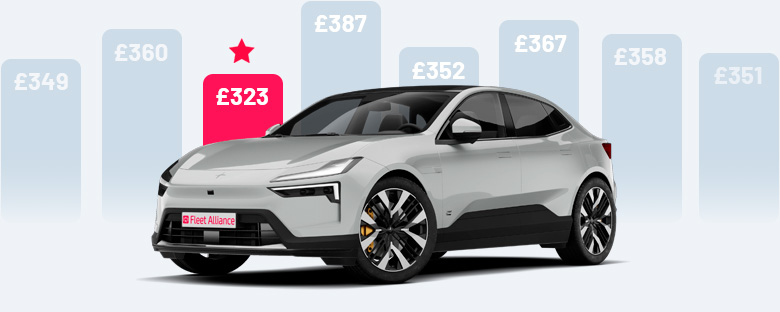
The monthly lease rental remains important, particularly across a large fleet where relatively small differences can quickly become significant.
However, concentrating solely on rental can result in decisions that cost more over the full life of the vehicle.
A proper whole-life cost assessment should consider maintenance, tyres, insurance, fuel or electricity, taxation, mileage, downtime, charging behaviour and likely end-of-contract costs. It should also consider whether the vehicle is suitable for the driver’s actual working pattern.
This is becoming particularly important for electric vehicles.
From June 2026, HMRC’s advisory electric rates are 7 pence per mile for home charging and 15 pence per mile for public charging. Two drivers operating the same electric vehicle could therefore generate very different costs depending on where and how they charge.
Further changes are already on the horizon. From April 2028, the Government intends to introduce mileage-based Electric Vehicle Excise Duty at 3 pence per mile for battery-electric cars and 1.5 pence per mile for plug-in hybrids. That does not remove the economic case for electrification, but it does reinforce the need to model future costs rather than base decisions entirely on today’s tax position.
The right question is no longer simply: “Which vehicle has the lowest rental?”
It is: “Which vehicle delivers the best financial and operational outcome for this role over the full contract?”
Fleet Alliance can benchmark your current fleet on a whole-life cost basis, helping identify where apparently competitive vehicle choices may actually be costing your business more.
Electrification should be based on roles, not blanket rules

The transition to electric vehicles is continuing. Fully electric company cars attract a 4% Benefit-in-Kind rate during the 2026/27 tax year, maintaining a substantial tax advantage over most petrol and diesel alternatives.
Government policy also confirms that new cars powered solely by internal combustion engines will be phased out from 2030, with all new cars and vans required to be zero emission from 2035.
For corporate fleets, however, an effective transition should not mean forcing every driver or operational role into the same solution at the same time.
The strongest approach is to segment the fleet.
Drivers with predictable mileage, suitable home charging and regular journey patterns may already present a compelling case for an electric vehicle. Other roles may require more analysis because of high daily mileage, specialist equipment, towing, payload, remote locations or limited charging access.
A structured transition plan should identify:
- which vehicles and roles can move to electric now;
- which require workplace or home charging support;
- where public charging could materially affect cost or productivity;
- which operational requirements are not yet well served; and
- when each remaining vehicle should be reviewed again.
This replaces a broad corporate target with an achievable implementation plan. It also prevents exceptional use cases from delaying the transition of the wider fleet.
We can help you identify which parts of your fleet are ready to electrify now and build a practical transition plan for those that are not.
Charging is part of the fleet operation

Charging can no longer be treated as something for the driver to resolve after an electric vehicle has been ordered.
It influences vehicle suitability, reimbursement, employee experience, business continuity and the true cost per mile. A fleet policy should therefore set out clearly how drivers are expected to charge, what support is available and how business mileage will be reimbursed.
Home charging will often provide the most convenient and cost-effective option, but it will not be available to every employee. Businesses must also consider workplace infrastructure, public charging access and arrangements for drivers without off-street parking.
The Workplace Charging Scheme currently provides eligible organisations with support of up to £500 per socket for as many as 40 sockets across their sites. That creates an opportunity for employers to assess workplace provision as part of their broader fleet and property strategy.
The key is to consider the vehicle and charging requirement together. Ordering electric vehicles without a supporting charging plan risks transferring cost, complexity and frustration to drivers.
Fleet Alliance can help you build charging into your wider EV strategy, ensuring vehicles, drivers and infrastructure work together from day one.
Do not overlook the fleet you do not own or lease

Many organisations manage their company cars and vans carefully but have far less visibility over employees using privately owned vehicles for business journeys.
That grey fleet can create cost, duty-of-care, insurance and emissions risks. It can also grow gradually as employees opt for cash allowances, use their own cars for occasional journeys or fall outside the formal company vehicle policy.
This deserves renewed attention following the increase in Approved Mileage Allowance Payments. From 6 April 2026, the tax-approved rate for employees using their own cars or vans increased to 55 pence per mile for the first 10,000 business miles.
At scale, unmanaged business mileage can become a significant expense. Businesses should therefore know:
Who is driving on company business? What vehicle are they using? Is it appropriately insured, maintained and suitable? Could a company vehicle, rental, car club, public transport or virtual meeting provide a better alternative?
Grey fleet should not sit outside fleet strategy simply because the vehicles do not appear on a leasing report.
If grey fleet sits outside your current reporting, we can help you understand the true cost and risk – and identify where better alternatives may exist.
Fleet data must lead to action

Most organisations now have access to more fleet data than ever before. The challenge is turning it into useful management information.
A monthly report containing hundreds of figures is of limited value if it does not identify where action is required.
Fleet reporting should help a business spot vehicles with unusually high running costs, contracts heading towards excess mileage, repeated downtime, overdue compliance actions, inefficient utilisation or drivers who may be suitable for an electric vehicle.
It should also provide a clear view across all vehicles and funding methods. That includes leased, purchased, short-term rental and grey fleet vehicles, rather than presenting each supplier or vehicle category separately.
Good fleet technology should reduce administration and make exceptions visible. The objective is not simply to store more information. It is to make better and faster decisions.
With e-Fleet, we can give you one clear view of your vehicles, drivers, costs and compliance—turning fleet data into decisions rather than another monthly report.
Build commercial resilience into procurement

A joined-up fleet strategy should also avoid becoming overly dependent on one manufacturer, funder or vehicle type.
Vehicle availability, manufacturer support, residual value assumptions and funder appetite can change. A vehicle that offered the strongest terms six months ago may no longer represent the best choice today.
That is why vehicle policy should provide enough flexibility to respond to the market, while every order should be competitively tested.
A multi-funder approach can create that competition without requiring the business to manage several separate leasing relationships. The business retains a single point of management, while pricing and funding are assessed across a broader market.
This provides more than potential rental savings. It makes the fleet less exposed to changes in the appetite, pricing or service levels of one supplier.
Our multi-funder approach continually tests the market on your behalf, helping ensure your fleet remains competitive without adding supplier complexity for your team.
Fleet strategy is now a shared business responsibility
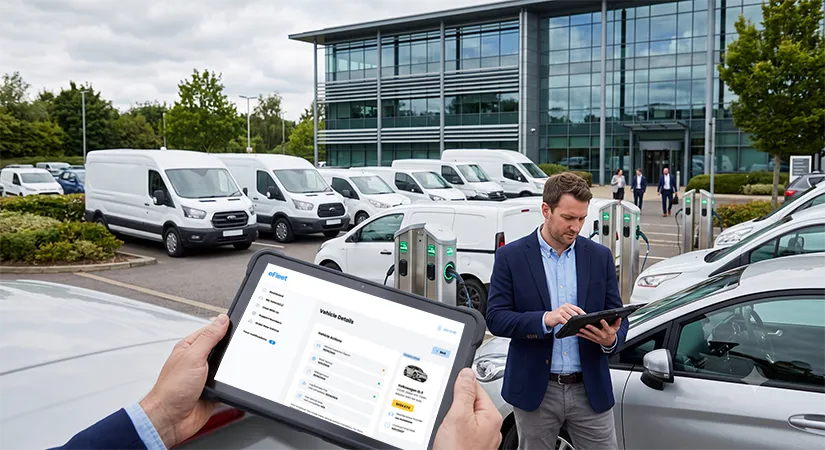
Fleet may be managed day to day by one team, but its impact reaches across the organisation.
Finance needs accurate cost forecasting. HR needs an attractive and equitable driver proposition. Procurement needs demonstrable value. Operations needs reliable vehicles. Sustainability teams need credible emissions data. Senior leadership needs assurance that risk and compliance are being controlled.
For that reason, fleet strategy should be reviewed against agreed business outcomes rather than judged only by the performance of individual suppliers.
A meaningful review should ask:
Are we measuring total cost rather than headline rental?
Do we know which drivers and roles are ready for electric vehicles?
Does our charging policy support those drivers fairly?
Can we see and control grey fleet activity?
Does our management information highlight actions and exceptions?
Are our funding and procurement arrangements continuing to support market competition?
Answering those questions requires more than sourcing vehicles. It requires an operating model that brings together funding, policy, technology, driver support, compliance and continuous commercial review.
Fleet Alliance can bring those different priorities together into one fleet strategy – balancing cost, driver needs, sustainability, compliance and operational performance.
Explore our large fleet solutions
The cost of standing still

A fleet policy does not need to be visibly failing to require attention.
Costs can gradually increase. Administration can accumulate. Driver satisfaction can decline. Grey fleet mileage can grow unnoticed, while sustainability targets move closer without a practical implementation plan.
The purpose of reviewing fleet strategy is not to change everything at once. It is to understand where the business is today, identify the areas creating unnecessary cost or risk, and agree a structured route forward.
At Fleet Alliance, we help corporate fleets bring those decisions together. Through independent multi-funder procurement, whole-life cost analysis, fleet management technology, driver support and structured electrification planning, we help businesses maintain control while adapting to a rapidly changing market.
A stronger fleet strategy starts by looking beyond the vehicles and understanding what the wider business needs the fleet to deliver.
Smart Fleet Management Starts Here
Not sure where the biggest opportunities sit within your fleet? Let us take a fresh look. We can help identify potential savings, operational improvements and areas of risk, then show you what a more effective fleet strategy could look like.
You also might like…
If you liked this article then check out our posts about similar topics
Changan Deepal S05 First Drive: A New Name to Take Seriously
Hot on the heels of September’s SMMT figures showing Chinese manufacturers taking a growing share of UK new car regist...
The exponential growth of salary sacrifice
The UK new electric car market just grows and grows, thanks in no small part to the rocketing popularity of salary sacri...
Coping with the high cost of diesel
The pressure on transportation costs is enormous at the moment The US-Iran conflict shows no signs of easing and the p...
Outsourcing Car Fleet Management
Managing a company fleet takes time, specialist knowledge and careful cost control From sourcing vehicles and managing r...
Fleet Alliance recognised as one of the UK’s Best Workplaces in Financial Services & Insurance 2026
Fleet Alliance has been recognised as one of the UK’s Best Workplaces in Financial Services & Insurance™ 2026 T...
Euro 7 – What it means for fleets
Euro 7 is coming, and the new legislation will influence how fleets acquire, maintain and manage their vehicles in the y...
Darren Stevens Takes on Head Shave Challenge to Raise Funds for MS
On Wednesday the 19th of August, Fleet Alliance colleague Darren Stevens will be shaving his head to raise funds and awa...
Electric cars spark increase in company car drivers
The number of company car drivers is on the rise And the rise is driven by one thing: electricity Perhaps I should qu...
Ready to make the management of your fleet more efficient?
Request a call back