S h a r e
Making the right electric van choice


Posted by
The EV Team
February 2026
Electrification isn’t just a car story anymore.
The UK market now offers a genuinely broad line-up of electric light commercial vehicles (eLCVs) across most sizes and body styles – making it far easier for fleets to match an electric van to real-world duty cycles.
Most major manufacturers now offer at least one pure-electric van (and often several): Ford, Volkswagen, Mercedes-Benz, Renault, Peugeot, Vauxhall and Citroën among them. Alongside full battery-electric options, there are also some plug-in hybrid and range-extended solutions for more specialist use cases.
What support is available?
While car purchase incentives have changed over time, the Plug-in Van and Truck Grant remains available and has been confirmed to continue through to at least 2027.
Current headline levels include:
- Up to £2,500 for eligible small vans
- Up to £5,000 for eligible large vans
- Higher amounts apply to eligible trucks (separate criteria).
Eligibility is based on factors such as vehicle category, gross vehicle weight and zero-emission capability, so it’s important to validate each model you’re considering against the latest rules.
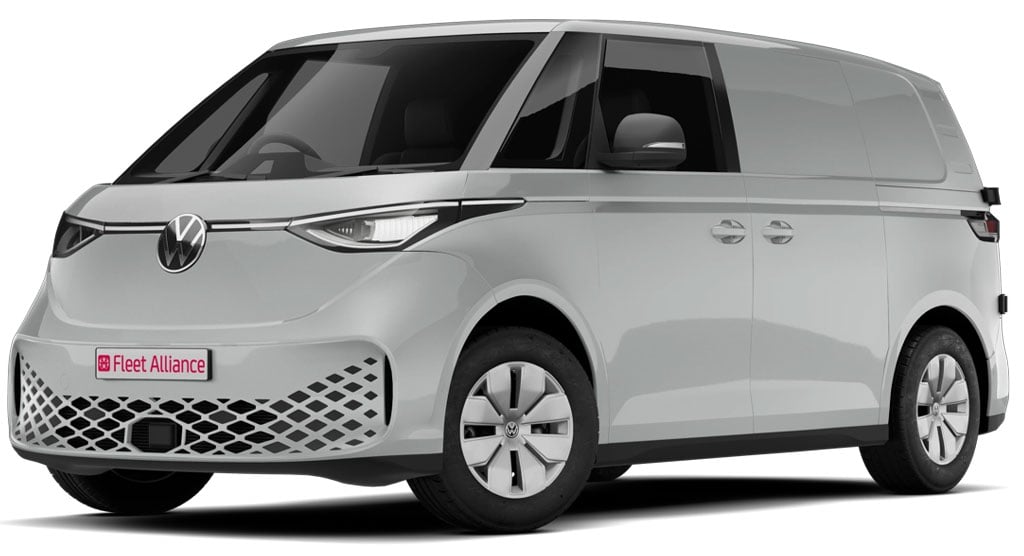
Commercial vehicles – what you need to know
There are some key differences to be aware of when running a fleet of electric vans compared to electric cars.
Payload and battery weight
Battery packs add weight, which can reduce payload versus an equivalent diesel van. Just as importantly, payload can also reduce real-world range compared with official figures.
The practical approach is to assess:
- average and maximum payload carried
- daily mileage and route profile (urban vs motorway)
- dwell time at depot (charging windows)
Because many fleets operate repeatable routes, suitability checks can be quick and data-led, especially if you use existing telematics or job history.
Charging Infrastructure and cost control
For most van fleets, the cheapest and most reliable solution is depot charging, supported by clear driver processes (plug-in compliance, bay discipline, and overnight scheduling). Where drivers take vehicles home, home charging can be a useful supplement – if you have a robust reimbursement policy.
The Workplace Charging Scheme can help reduce upfront cost. It covers up to 75% of purchase and installation cost, capped at £350 per socket, for up to 40 sockets across all sites per applicant (subject to eligibility).
Well-specified workplace chargepoints can return a van to full charge within a few hours (depending on vehicle and charger power), improving utilisation and reducing reliance on public charging.
Clean Air Zones and a key London nuance
Many UK city centres now operate Clean Air Zones (CAZ) or similar schemes. The simplest way to reduce exposure to CAZ charges over time is to operate vehicles that meet (or exceed) the required emissions standard—fully electric vans do.
However, if your operation frequently enters central London, it’s important to separate ULEZ/LEZ compliance from the Congestion Charge:
- Fully electric vehicles remain compliant for ULEZ.
- From 2 January 2026, Transport for London introduced a new Cleaner Vehicle Discount for the Congestion Charge: 50% discount for electric vans (when registered on Auto Pay), meaning £9 instead of £18.
That distinction matters for fleet cost forecasting, especially for multi-drop operators and service fleets inside the charging zone.
A practical checklist for choosing the right electric van
Start with your duty cycle:
- Typical daily mileage (and peak day outliers)
- Dwell time between jobs and overnight parking arrangements
- Route type (stop-start city vs longer A-road/motorway runs)
Then sanity-check the vehicle fit:
- Payload needs at peak load (not just “average day”)
- Body type and upfit compatibility (racking, refrigeration, tool storage, signage)
- Charging speed supported by the vehicle (AC and, where relevant, DC)
Finally, build the operating model:
- Depot/home/public charging mix and tariff strategy
- Driver policy (plug-in compliance, charging etiquette, reporting issues)
- Contingency planning (peak season mileage, unplanned detours, recovery options)
Your Sustainability Strategy
Fleet Alliance is aware that by implementing the right strategy for commercial vehicles, your business can set out a clear statement that supports a positive brand image with significantly improved environmental credentials.
If you’d like to explore the best electric van route for your fleet, contact us today. You can also explore more of our EV insights on our EV Hub for a thorough guide to all things electric.