S h a r e
The 10 electric vans with the best range

Posted by
Charlie Strand
September 2026
Light commercial electric vans (or eLCVs) are making progress with more choice and good availability. Familiar European brand names get upgraded with better batteries or have been re-invented from the ground up. There are new Chinese brands and Korea’s Kia PV5 is its first ever all-new electric van.
Whether city vans or the traditional panel van, there are different lengths, heights and door configurations similar to petrol/diesel vans.
While the driving range on a full charge is never going to match a diesel van with a full tank of fuel, for many city-based delivery vans a long range isn’t an issue, and if the van returns to a home driveway or the same depot every day it can be charged overnight at domestic rates. An eLCV can make a lot of financial sense so long as you know what range you need for the best operational efficiency (minimum time spent on public chargers during the day).
There were some positive changes to government rules on eLCVs in 2025. Because they weigh more than their combustion-engined versions, electric vans had been penalised on driving and testing regulations by being classified as heavy good vehicles even though they were no bigger outside.
The regulations were harmonised mid 2025 so standard category B licence holders can drive zero emission vans up to 4.25t and the requirement for additional training has gone, which had applied to the large vans here. In 2026, subject to legislative changes, annual testing will go from the heavy vehicle testing system to the MOT network, so 3.5t to 4.25t ZEGVs will have their first MOT test after three years from first registration.
The government plug-in grants for low or zero emission vans were extended until at least the end of the 2026/2027 financial year. Small vans qualify for up to £2,500 discount and large vans up to £5,000. This can help lower leasing costs, plus leasing is an ideal way to ease any worries about future residual values and future proofs the technology.
Here, then, are our top 10 vans with the greatest maximum range, as stated by the manufacturers using the official combined WLTP figure. However, it’s best to view this as a starting point to compare them. The maximum range on a single charge can vary hugely depending on load, driving style and the outside temperature. Unlike a diesel van, an eLCV consumes far more on motorways than in town.
Renault Master E-Tech/Nissan Interstar Long Range – 285 miles
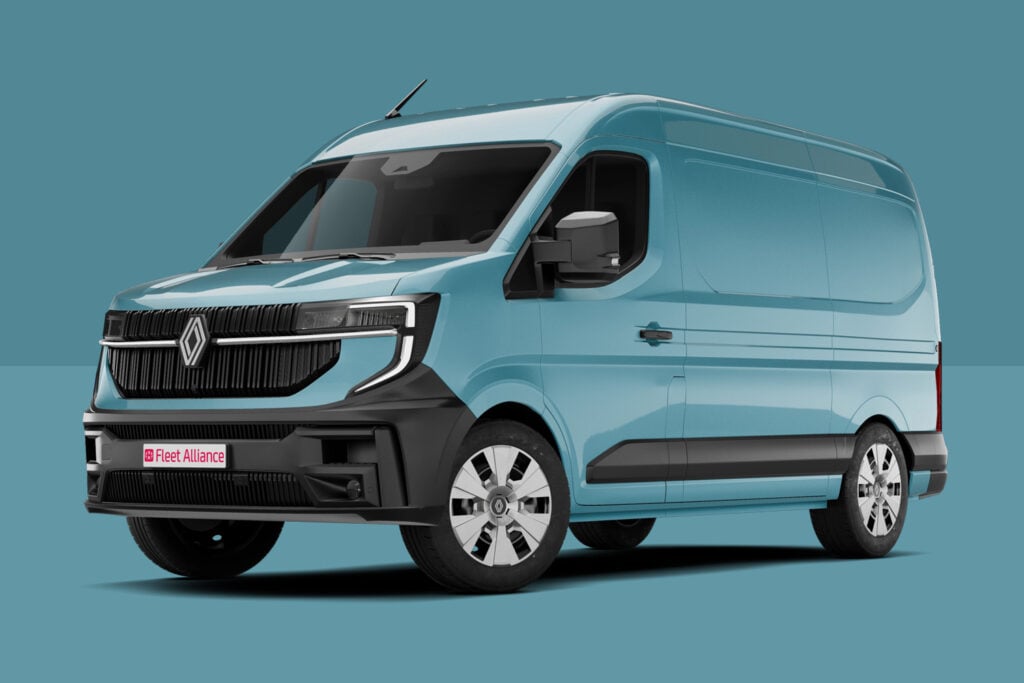
Renault may have lit up the electric car world with its little 5 E-Tech, but its French-built electric van range is also highly regarded and features new designs.
The Renault Master large van was all new for 2024 with its only twin a Nissan version. The top range is an impressive 285 miles. A 105 kW electric motor is paired with an 87kWh battery. As a van the Master had to be boxy, but it’s subtly curved where possible for the best aerodynamics, hence range and has sophisticated energy recovery from the brakes.
Renault says it has a record-high payload capacity of 1,625kg and there are two lengths of Master e-Tech panels vans plus platform and chassis cabs for specialist bodies.
Renault Trafic E-Tech electric long range – 279 miles
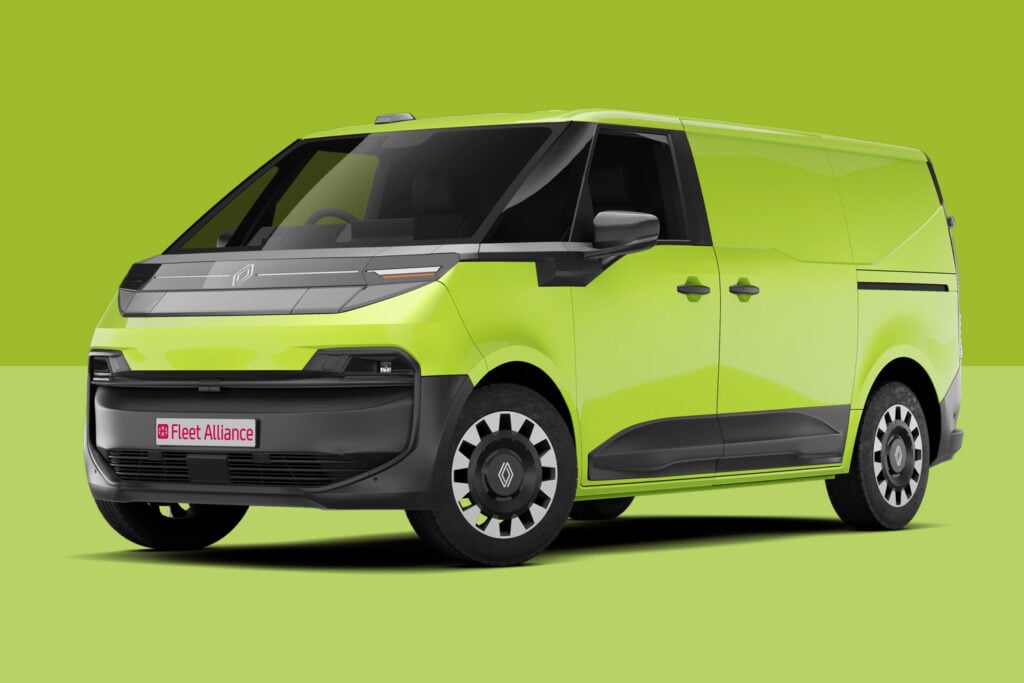
On sale late 2026 the all-new Trafic E-tech is on a ‘skateboard’ platform designed to make it compact for city streets. Unusually, the electric motor is rear mounted, which gives a short front overhang. In its L1 body style, it’s 4.87m long and 1.92m wide. The overall height has been reduced to 1.90m, meaning it can enter all underground car parks.
There’s a choice of two batteries, urban range or long range. Matching some electric cars it’s the first Renault commercial vehicle to have 800-volt fast-charging. With a DC fast charging point, the battery charges from 15% to 80% in around 20 minutes, recovering 161 miles of range.
Volkswagen ID. Buzz Cargo Commerce Plus – 276 miles
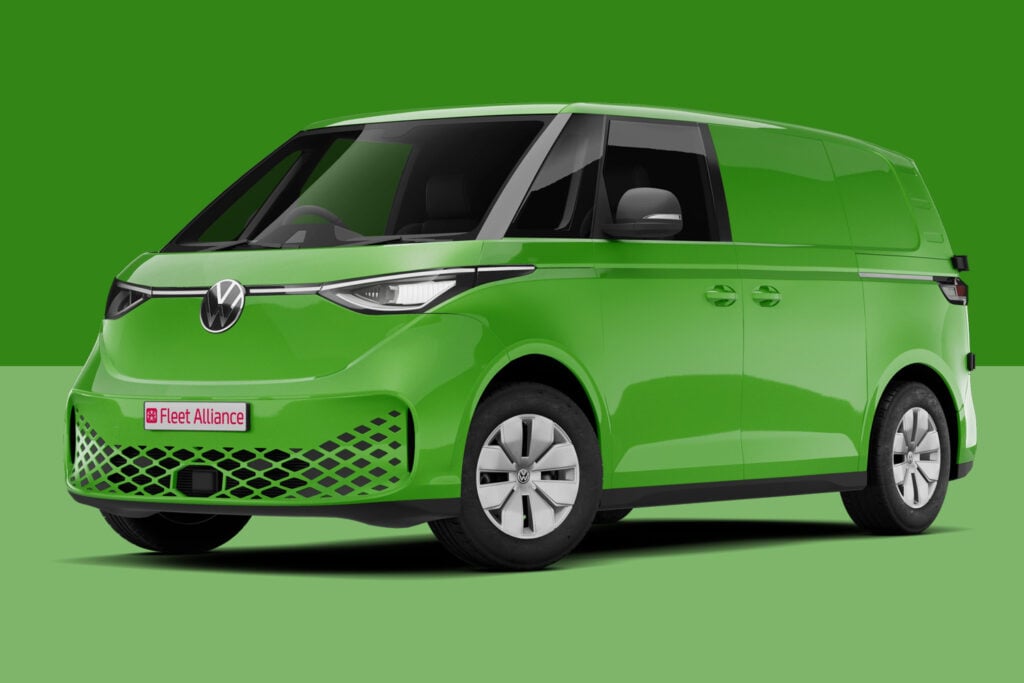
The ID.Buzz, the highly successful electric re-invention of the classic Volkswagen Microbus, has become a familiar cheery-faced sight in UK towns. It was only ever designed to have electric power. A 59kWh battery is standard but for the biggest range choose the 79kWh.
Equal to top electric cars, the ID. Buzz Cargo can be topped up to 80% at an ultra-rapid 170+kW charger, in less than half an hour. It may look unique, but it’s still designed to be a hard-working van, able to fit two euro pallets side-on, and has twin sliding doors that are standard, and a work-friendly cabin.
Mercedes-Benz eSprinter 113 kWh – 271 miles
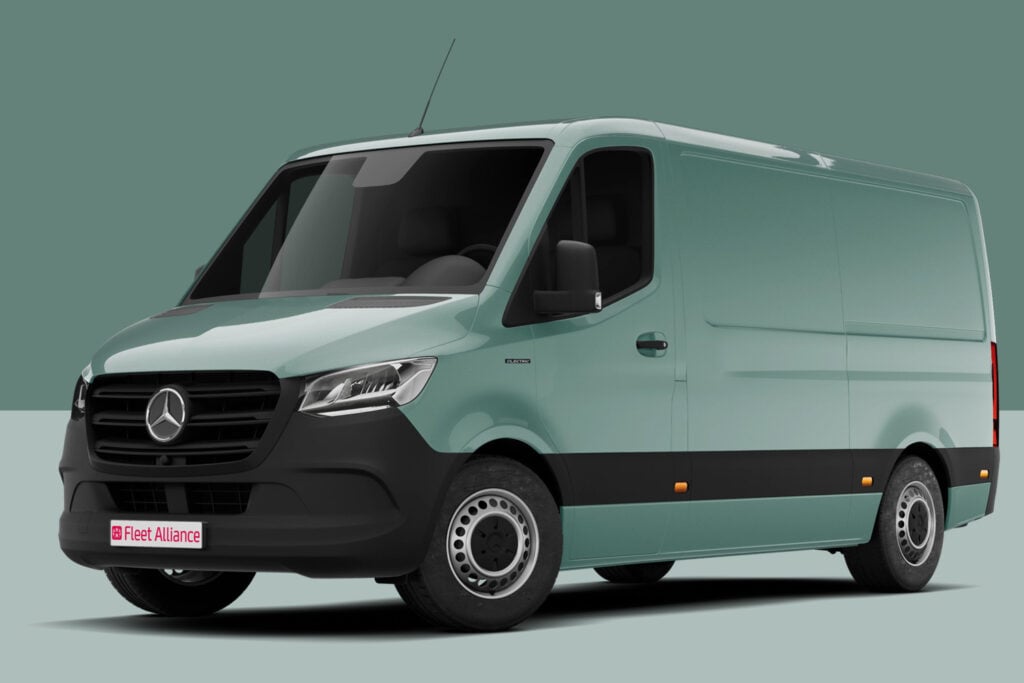
The latest version of the eSprinter large panel van arrived in 2024, with a major uplift in range included. There are L2 (long) or L3 (extra-long versions), and a choice of 81 or 113 kWh battery capacities, plus two motors, with either 100 or 150 kW peak output.
It can be charged with direct current at up to 115kW at a fast-charging station, so the 113kWh battery version goes from 10-80% in around 42 minutes.
Depending on the version, Moving-off Information Assist helps avoid collisions with other road users in front of the van when moving off and Sideguard Assist, helps the driver perceive pedestrians and cyclists in a defined area on the passenger side,
Vauxhall Movano Electric / Citroen e-Relay, / Fiat e-Ducato / Toyota Proace Max – 263 miles
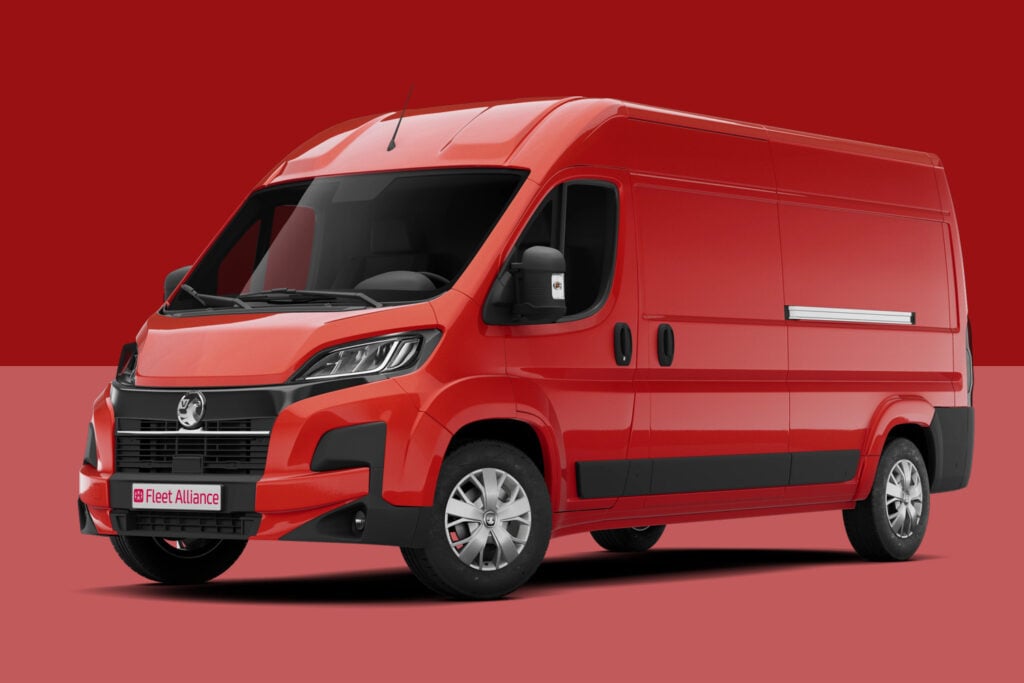
In the large van category, the Vauxhall Movano was heavily facelifted in 2024, including a new cabin, and gained a 110kWh battery as standard and a more powerful electric motor. There was also a big price cut, which should feed through into lower leasing rates,
The Movano Electric projects the charge level of the battery, driving mode and range within the rear-view mirror so it’s always visible. Charging from 10% up to 80% happens in an hour using a 150kWh public charger.
As Vauxhall is part of the Stellantis group, you find a different face but the same tech and dimensions for its other brands, Citroen and Fiat . It also makes a version for Toyota.
Kia PV5 Cargo L2/H1 long range – 258 miles
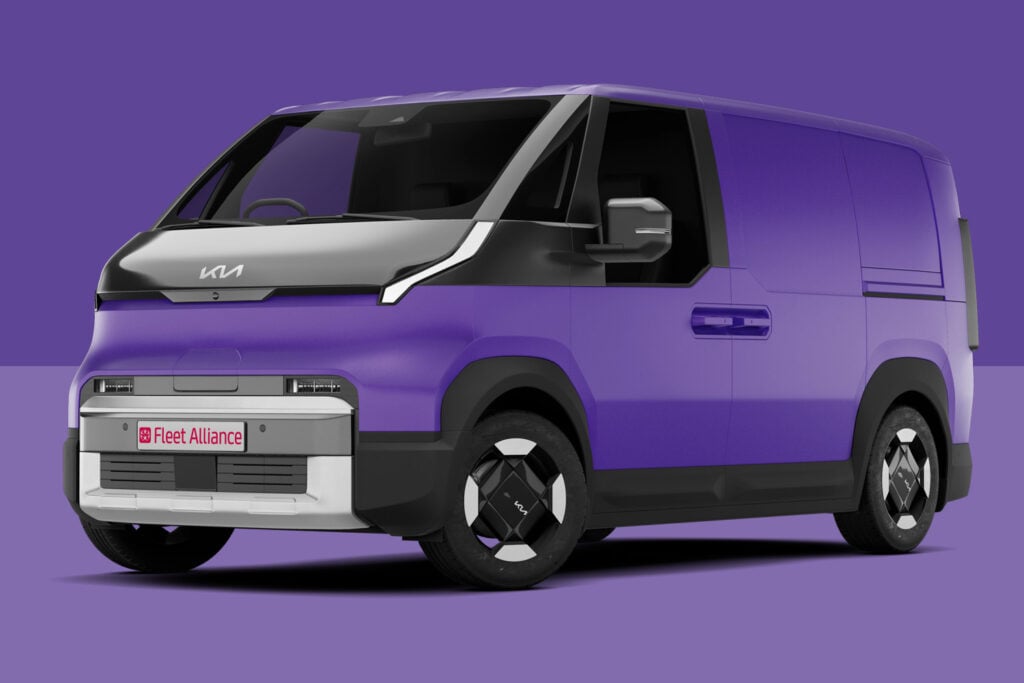
The unmistakable electric-only Kia PV5 was designed from a blank sheet of paper to give LCV users exactly what they wanted. Size-wise it sits between a small and medium van. In the UK it comes in two lengths, two heights as Cargo, Crew and Chassis Cab. There’re also a Passenger variant and a Wheelchair Accessible Vehicle (WAV) version. The platform offers a best-in-class low cargo load height of 419mm at the rear, measured from the ground.
For the UK market, the PV5 comes as L1/H1 and L2/H2. Two battery packs maximise payload or range, the Long Range is 71.2kWh. All PV5s can fast charge – with a 150kW charging point 10-to-80% can be added in less than 30 minutes.
Ford E-Transit – 249 miles
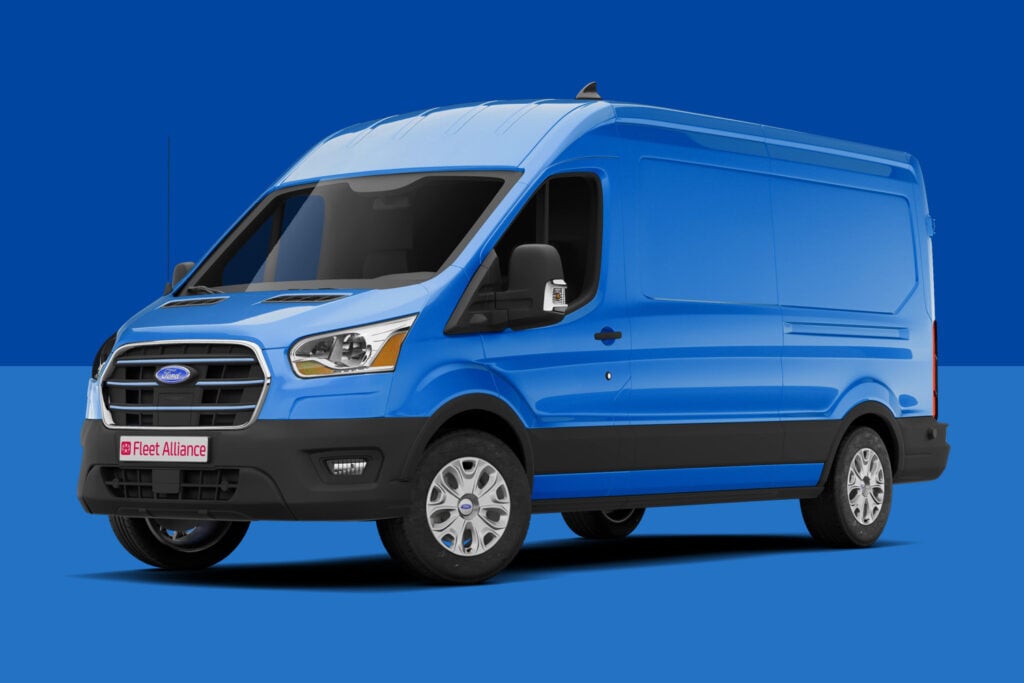
The E-Transit version of the UK’s most popular van can be ordered with an Enhanced Battery option which provides greater range for lower payloads. The Ford Transit offers a huge variety of styles and length/height options, so range may vary depending on what you choose.If you need to recharge on the road, then the e-Transit can be topped up to 80% charge in just over half an hour.
Being a Transit, the load area is huge and uncluttered while a useful option is the the Pro Power Onboard function which offers two three-pin plug sockets, so you can use the van as a generator for power tools.
Farizon SV – 247 miles
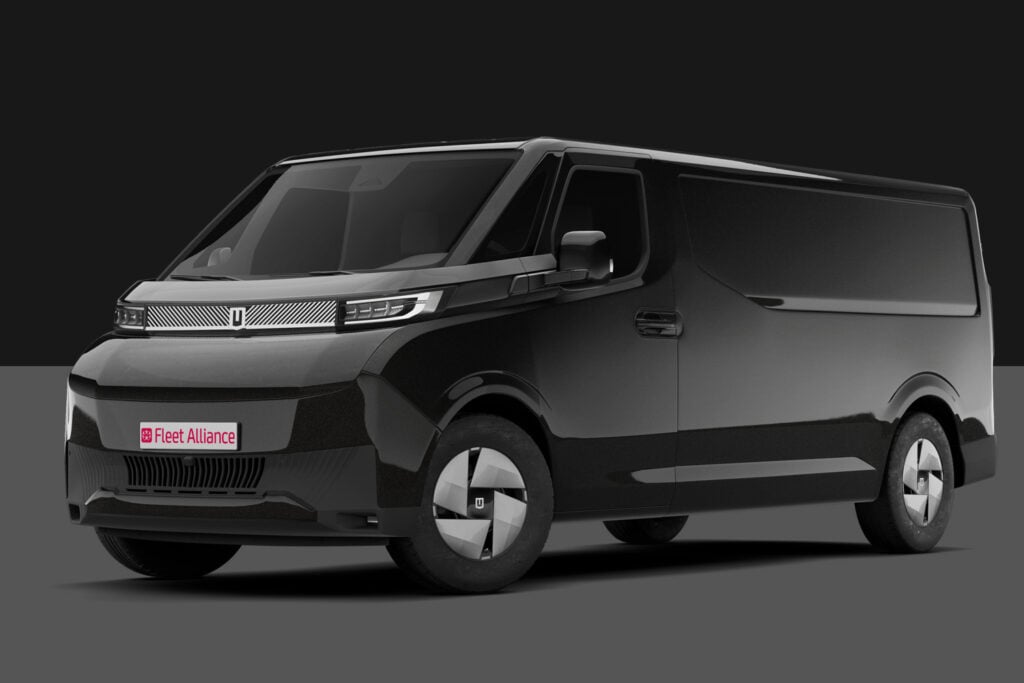
Farizon is the electric LCV brand of the giant Chinese manufacturer Geely, whose other brands include Volvo, Polestar and Lotus. In 2025 its large/medium SV (SuperVan) was its first model to the UK, with 83 or 106kWh batteries, three lengths and one height.
There is only one high-spec trim level which includes a unique payload monitoring system, so you don’t have to calculate when it’s reached the legal maximum (payload is up to 1,350 kg), plus faux leather heated seats and steering wheel and a 360-degree surround view.
Citroën e-Dispatch / Fiat eScudo /Peugeot e-Expert / Toyota Proace Electric – 231 miles
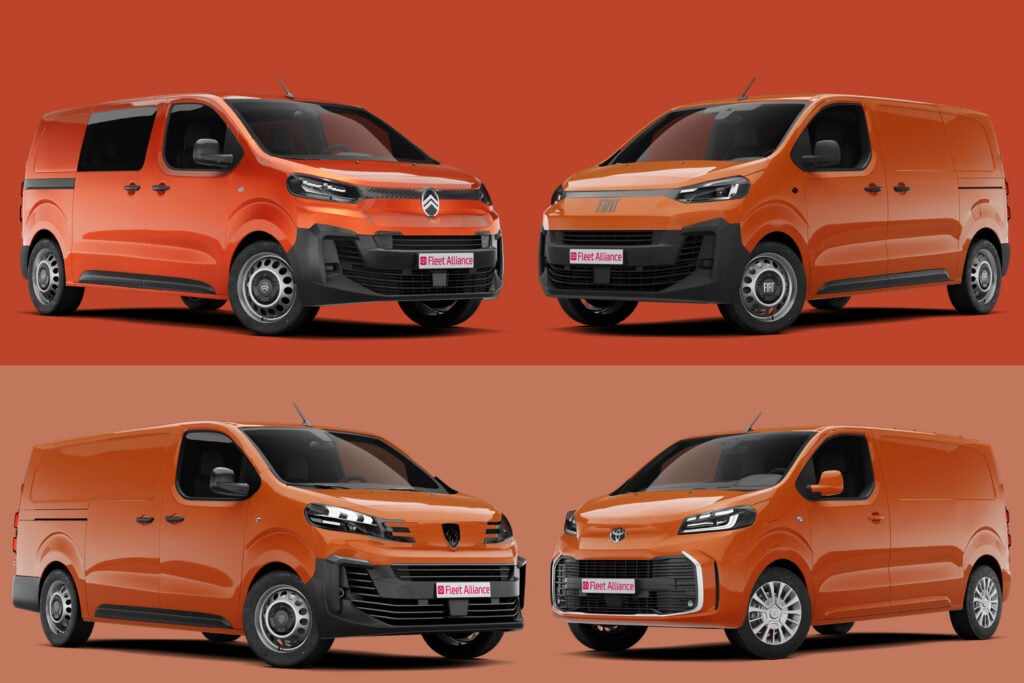
All familiar names for this Ford Transit Custom rival. It’s effectively the same van as part of the Stellantis Group and updated regularly – crucially, the battery even though it remains the same single 75 kWh capacity.
With a 2023 revamp the maximum combined range was 217 miles but now 230-231 is claimed (except for the 2025 Toyota at 215, but that does offer a 50kWh battery as well).
The Vivaro Electric comes in two lengths and will take two or three Euro pallets and there are work-friendly features like a passenger seat which folds to become a desk.
Citroën e-Berlingo / Peugeot e-Partner / Toyota Proace City Electric / Vauxhall Combo-e – 213 miles
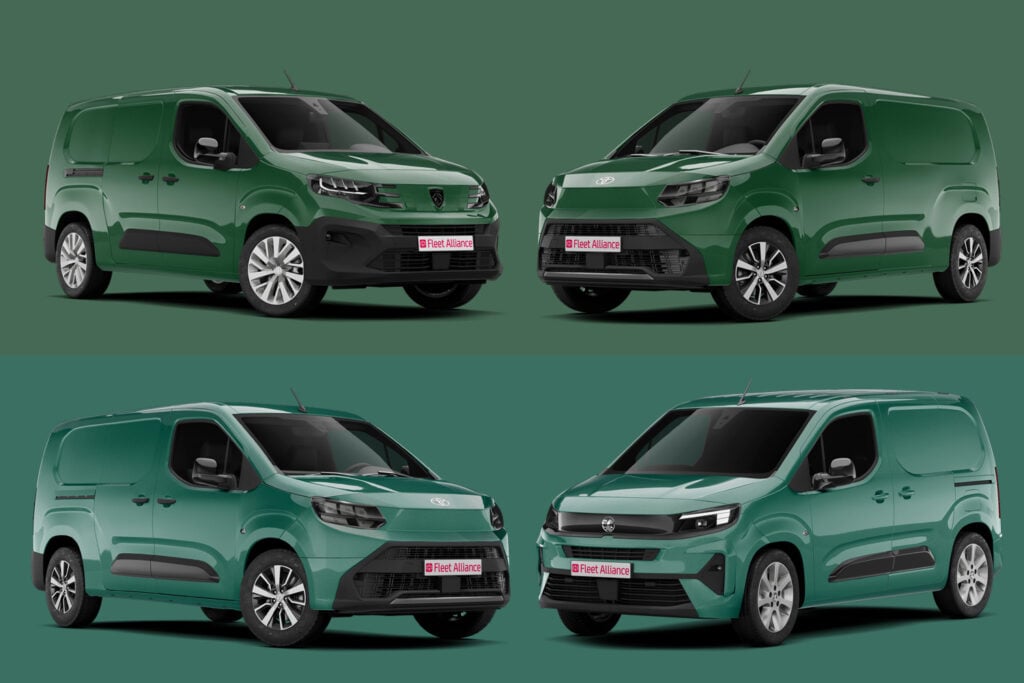
This collection of Stellantis small electric vans come in two in lengths, with medium models measuring 4.4m long, and long variants 4.75m. All versions are 1.90m high, and a maximum payload of 803kg is on offer.
Since 2023 the official maximum combined range has gone from 171 to 205 then 213 miles – the Toyota had 208 as of the end of 2025. All these compact eLCVs get a 52kWh (50kWh usable) battery and 100kW electric motor.